

Sourcing reliable materials is one of the most critical decisions for industries that operate in high-temperature environments. Whether you’re in steel manufacturing, cement production, or petrochemicals, choosing the right refractory material suppliersdirectly impacts your operational efficiency, safety, and long-term costs.
With global sourcing now easier than ever, knowing how to identify and work with trusted suppliers is key. This guide will walk you through the best practices for sourcing top-quality refractory materials from dependable partners.
Understand Your Material Requirements First
Before you begin searching, it’s important to clearly define your needs. Refractory materials vary widely in composition and performance.
Ask yourself:
· What temperature range will the material face?
· Do you need resistance to chemicals or corrosion?
· What shape or form is required (bricks, castables, fibres)?
Having clarity helps you communicate effectively with a refractory raw material supplier and ensures you receive the right solution for your application.
Research and Shortlist Trusted Suppliers
The next step is identifying reliable suppliers online. Look for companies with strong industry experience, certifications, and proven track records.
A trustworthy refractory building material supplier will typically offer:
· Detailed product specifications
· Industry certifications and compliance
· Transparent pricing and documentation
Also, explore companies that specialise in advanced solutions, such as a refractory ceramic products supplier, which can provide high-performance materials tailored for specific industrial needs.
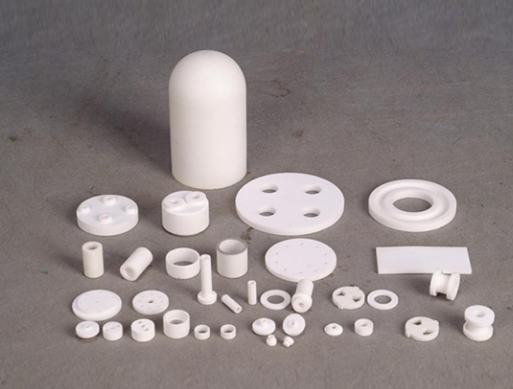
Evaluate Product Quality and Range
Quality should always be your top priority. Poor-quality materials can lead to equipment failure and costly downtime.
When evaluating suppliers:
· Request product samples or technical datasheets
· Check heat resistance, density, and durability
· Ensure they offer top-quality refractory materials suited to your industry
For advanced applications, you may also need a refractory ceramic machinery supplierthat provides equipment for manufacturing or processing refractory components.
Consider Regional and Global Options
Depending on your location and project requirements, you may choose between local and international suppliers.

For example, businesses sourcing high alumina refractories in USA can benefit from:
· Faster delivery timelines
· Compliance with local standards
· Easier communication and support
At the same time, global suppliers can offer competitive pricing and a wider product range.
Verify Supplier Credibility
Before finalising any deal, it’s essential to verify the supplier’s credibility.
· Check Certifications
Look for ISO standards or industry-specific certifications.
· Review Client Feedback
Testimonials and case studies can provide insights into reliability.
· Assess Experience
Established companies like Moat City demonstrate industry expertise and global supply capabilities, making them a dependable choice for sourcing refractory solutions.
Compare Pricing vs Value
While cost is an important factor, it shouldn’t be the only consideration. The cheapest option may not always deliver long-term value.
Instead, focus on:
· Product lifespan
· Performance under extreme conditions
· After-sales support
A reliable supplier will offer a balance between cost-effectiveness and quality.
Build Long-Term Supplier Relationships
Once you find a trusted supplier, building a long-term partnership can benefit your business significantly.
Benefits include:
· Consistent product quality
· Better pricing for bulk orders
· Faster response times
· Technical support and consultation
Working closely with a dependable supplier ensures smoother operations and reduces risks.
Common Mistakes to Avoid
When sourcing refractory materials, avoid these common pitfalls:
· Choosing suppliers based solely on price
· Ignoring technical specifications
· Not verifying certifications
· Overlooking logistics and delivery timelines
Taking a strategic approach helps you avoid costly errors.
Final Thoughts
Sourcing refractory materials is not just about finding a supplier, it’s about finding the right partner. By focusing on quality, reliability, and long-term value, you can ensure your operations run smoothly and efficiently.
Whether you’re working with a refractory raw material supplier, the key is to choose suppliers who meet your technical and business needs.
Investing time in the sourcing process today will lead to better performance, reduced costs, and long-term success.